

Amazon US SAFE-T Claim Window Shortened to 30 Days: What Seller-Fulfilled Sellers Must Do Before Feb 16, 2026
Amazon continues to tighten timelines around seller protections, and this time, the change directly affects SAFE-T claims for US seller-fulfilled orders.
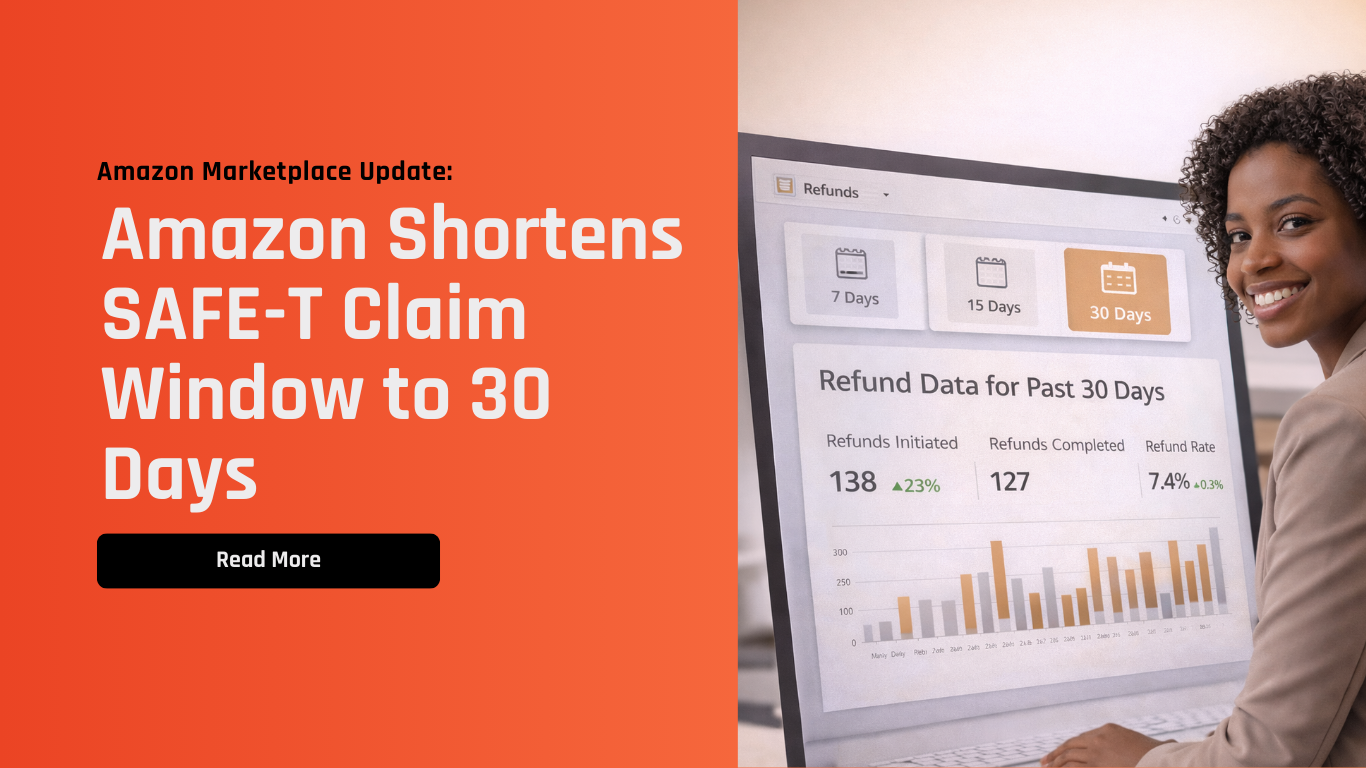
Starting February 16, 2026, sellers will have half the time they previously had to file SAFE-T claims, dropping from 60 days to 30 days. For sellers managing high order volumes, returns, and refunds, this isn’t just a policy update, it’s an operational risk if not handled correctly.
At Xtended.GH, we work closely with brands and sellers to manage backend marketplace operations. This post breaks down what’s changing, why it matters, and how sellers can adapt without revenue leakage.
What’s New
Amazon has announced the following update:
SAFE-T claim filing window reduces from 60 days to 30 days
Effective date: February 16, 2026
Applies to US seller-fulfilled orders only
The change aligns SAFE-T with:
Standard US return window
A-to-z Guarantee appeal timelines
When does the 30-day clock start?
The filing window begins from whichever occurs later:
The return delivery scan at your warehouse, or
The refund date
For lost shipments, the 30-day window starts from the last carrier scan event.
Important: Claims currently in progress are not affected.
Why This Update Matters
This update significantly raises the bar for operational discipline.
1. Less Room for Delays:
With only 30 days, missed scans, delayed reconciliations, or poor documentation can result in permanent loss recovery.
2. Higher Risk for High-Volume Sellers
Brands processing daily returns or refunds now need weekly (or even daily) monitoring to avoid missed claim windows.
3. Manual Processes Become Costly
Relying on monthly reviews or reactive claim filing will no longer be sufficient.
In short: If SAFE-T isn’t operationally tracked, sellers absorb losses.
Pro Tips from Xtended.GH
Based on hands-on backend marketplace management, here’s what sellers should prioritize:
1. Review Older Returns Now
Before February 16, identify:
Returns already delivered
Refunds already issued
…and file eligible SAFE-T claims before the window closes.
2. Track Return Delivery Scans Closely
Claims hinge on accurate timestamps. Ensure:
Carrier tracking is consistently logged
Warehouse scans are documented
3. Separate Lost Shipment Monitoring
Lost shipments follow a different clock. Track last scan events independently to avoid confusion.
4. Move from Monthly to Weekly Reviews
A weekly SAFE-T review cadence significantly reduces missed opportunities.
How Xtended.GH Can Help
At Xtended.GH, we support sellers with backend marketplace operations, ensuring policy changes like this don’t turn into revenue loss.
Our support in relation to this update includes:
Monitoring FBM return and refund timelines
Structuring refund review workflows
Flagging eligible SAFE-T claim cases early
Aligning operational processes with Amazon policy updates
Our focus is helping sellers avoid missed deadlines and prevent avoidable losses.
Get in Touch
If you’re running seller-fulfilled orders in the US, this update requires action, not awareness. Selling online? Book an appointment and let us handle the backend while you focus on growing your brand.
Final Thoughts
Amazon didn’t remove SAFE-T protections, it shortened the window to use them. Sellers who win under this change will be those with disciplined backend operations, fast reviews, and clear refund processes. The rest will quietly absorb losses they could have recovered.